Thomas Jefferson wrote to James Madison that a “little rebellion now and then is a good thing, and as necessary in the political world as storms in the natural.” To which, the logical corollary is: disruptive change keeps the business world healthy
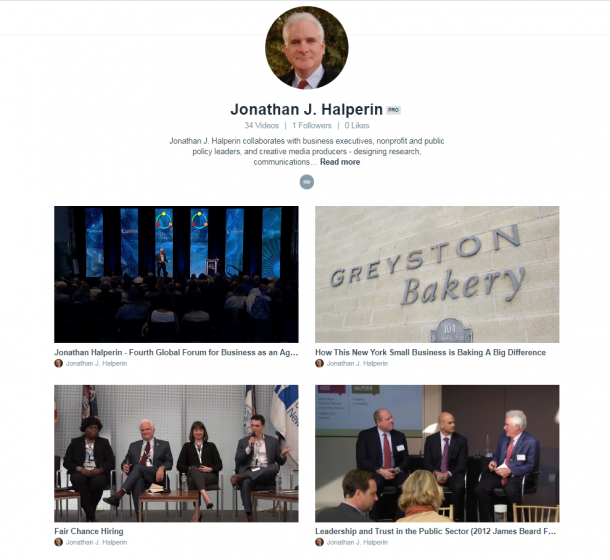
“We don’t hire people to make brownies. We make brownies to hire people. As businesspeople, that means that we are people doing business, but the people part does have to come first.”
Jonathan J. Halperin quoted in beyond (June 21, 2017)
Leaders, change agents and entrepreneurs from the business, academic, nonprofit and government sectors gather June 14-16 at Case Western Reserve University, Cleveland, Ohio
I am comforted by the awareness that changes we dismiss as inconceivable are often viewed by historians as having been inevitable. A Happy New Year might thus include news of the following momentous changes.
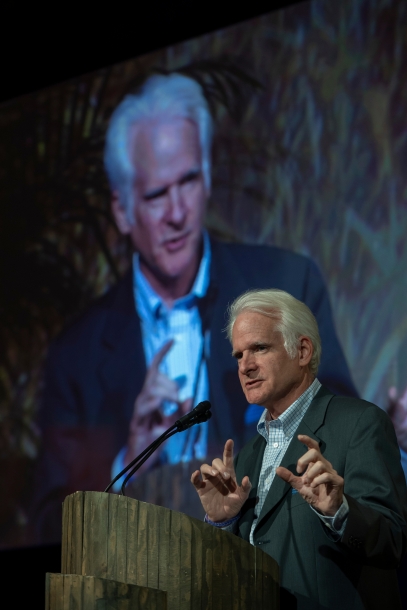
Responding to a comment from Joe Nocera about Howard Schultz’s unique background, both as the company founder and a kid from Brooklyn who grew up in public housing, I reframed the question back to the link between organizational and leadership values – and perceptions of time.
In a filled tent at the Aspen Ideas Festival today, Eric Schmidt, CEO of Google, described smart phones as devices that “by their nature” collect information.
The mega-cities of the nearest future are either hubs of innovation and creativity, as outlined by Richard Florida at the Aspen Ideas Festival, or overrun slums without electricity, transit access to center city, running water and the most basic urban services. Or maybe they are both?
Halperin is a valuable asset to any ambitious leader looking to maximize the performance of their organization. His capacity to bring business strategy, communications, and social mission into alignment will be delivering returns to Greyston for years to come. Whether designing and facilitating complex stakeholder engagements or presenting new ways of thinking about sustainable supply chains, Halperin consistently brings integrity, professionalism and insight to the task. He combines the unique ability to address the largest strategic opportunities in an organization while simultaneously bringing people together to execute on near-term challenges.